
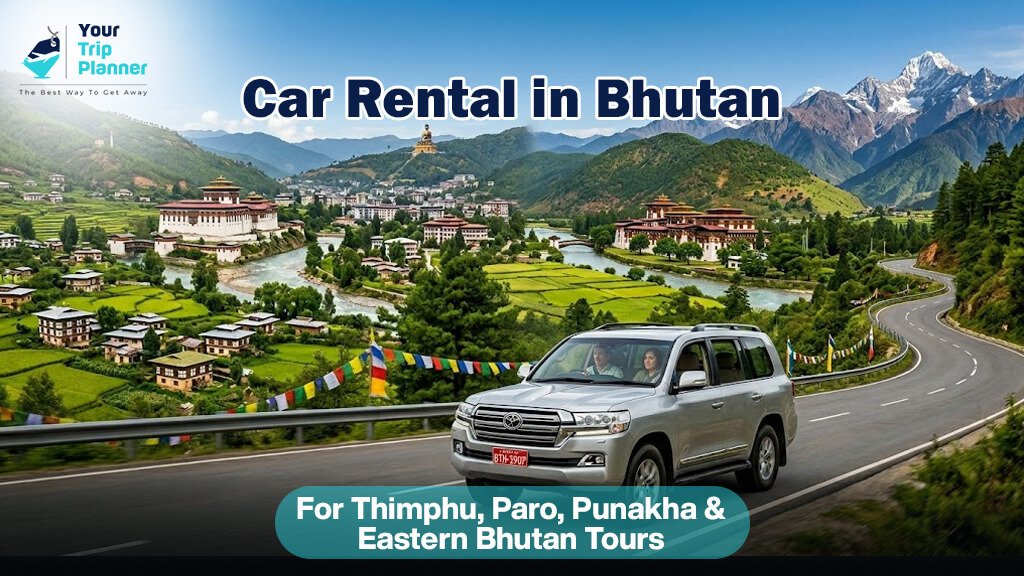
Car Rental in Bhutan for Thimphu, Paro, Punakha & Eastern Bhutan Tours
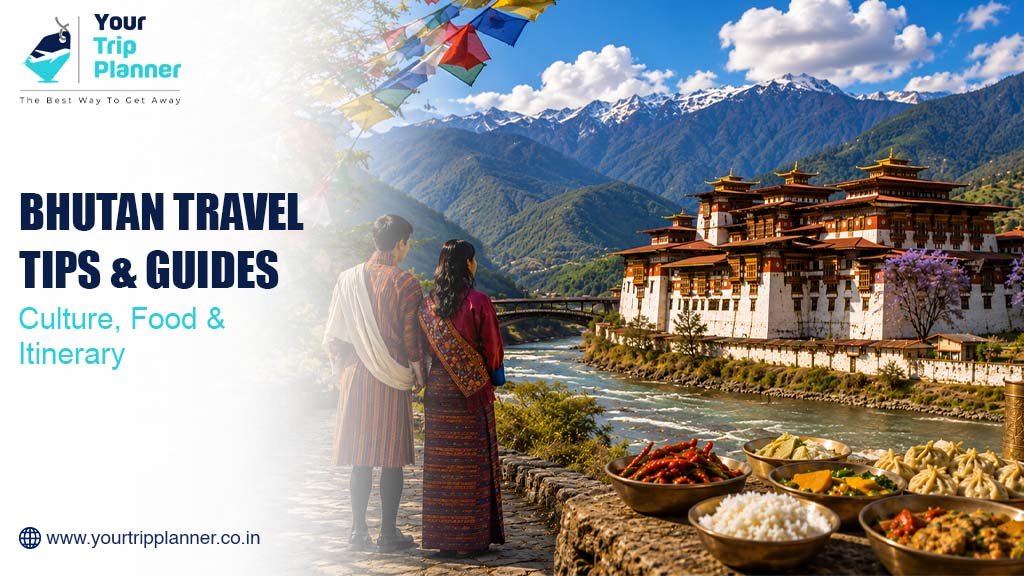
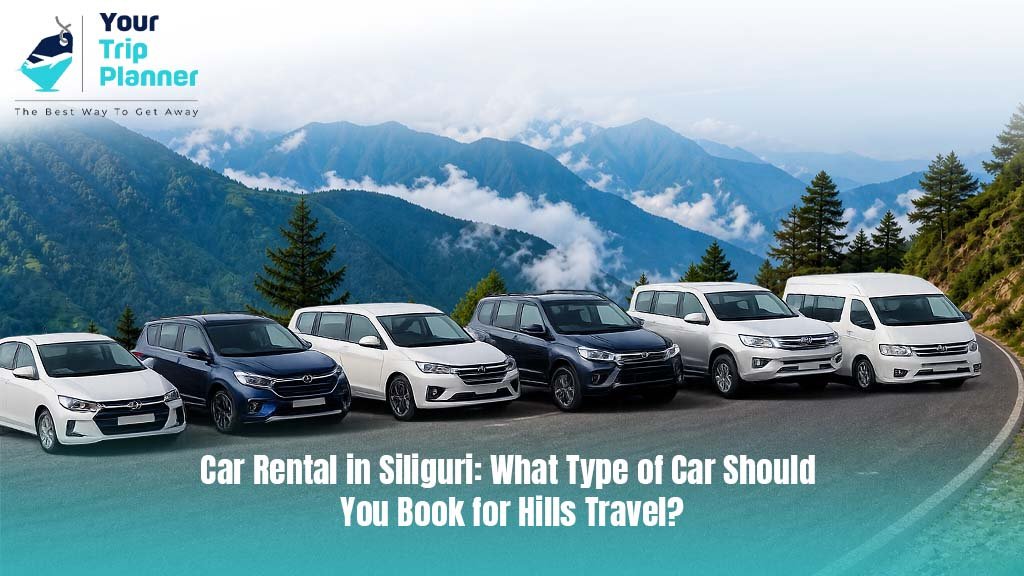
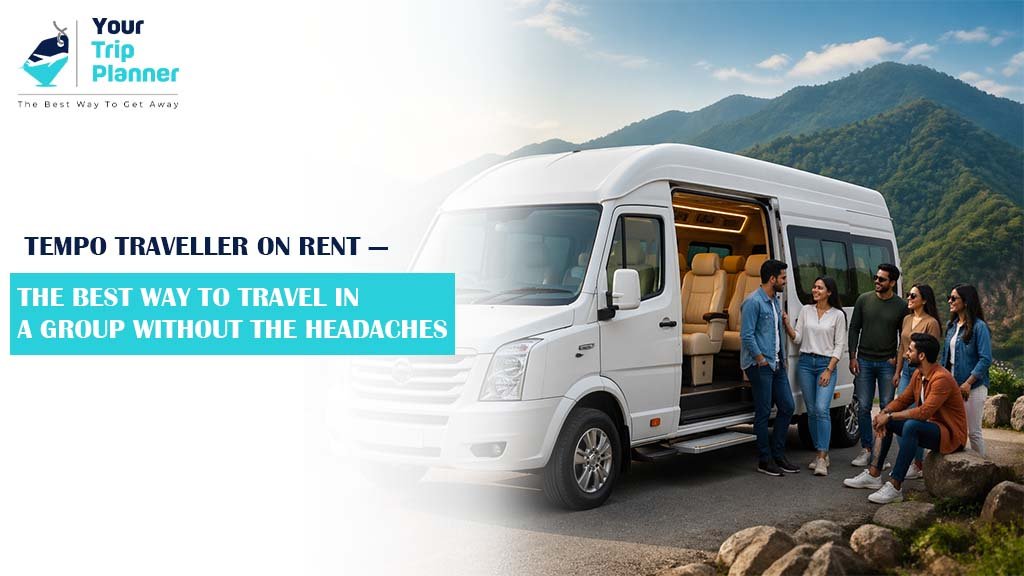
Imagine winding mountain roads, prayer flags dancing in the wind and valleys that seem like a painting. Welcome to Bhutan – a country of the Thunder Dragon. The problem is, though. Behind some seriously steep, twisty roads lies Bhutan’s beauty. A reliable Car Rental in Bhutan isn’t something that you need, it’s something that you need! Going out on a dedicated car rental in Bhutan has its advantages because Bhutan’s roads are different from the city roads. They meander through hills. They hike on tall passes. The availability of public transport is poor. Outside the main towns buses are slow and infrequent. Why Do You Need a Dedicated Car Rental in Bhutan? A dedicated car rental in Bhutan gives you the freedom to travel on your own schedule, and it’s also the only legal way for foreign tourists to get around, since self-driving is not permitted. Bhutan’s roads are unlike city roads. They climb through hills, rise sharply over high mountain passes, and wind through valleys where public transport runs slowly and infrequently. Outside the main towns, a private vehicle isn’t a luxury, it’s a practical necessity. There’s an important rule to know: foreign tourists cannot self-drive rental cars in Bhutan. The government permits only chauffeur-driven vehicles for visitors. This is actually an advantage, a government-registered Bhutanese driver does far more than navigate. They know the roads in all seasons, understand local permit checkpoints, and often serve as informal guides along the way. A dedicated Bhutan car rental is therefore not just convenient, it’s the safest and most legal way to travel as a visitor. Types of Car Available for Rent in Bhutan Car rental in Bhutan covers sedans for city sightseeing, SUVs for hill routes, Tempo Travellers for groups, and luxury vehicles for premium packages, with the right choice depending on your group size and route. Sedans: Good for couples or small families. Comfortable for short city trips. Best for Thimphu and Paro sightseeing. SUVs: It is best for hill trips. You can choose this car for destinations like Punakha, Bumthang, and Haa Valley. More legroom and better grip on mountain terrain. Tempo Travellers / Mini Vans: Suited for larger groups. Great for corporate tours or big families. Roomy and practical for multi-day journeys. Luxury Vehicles: For travelers who want extra comfort. Often used for premium tour packages. Smooth rides on long routes. Choosing the right vehicle depends on your group size and route. A trusted Cab Service in Bhutan provider can help you decide. Popular Routes Covered by Car Rental Services in Bhutan The most popular car rental routes in Bhutan run from Jaigaon or Phuentsholing through Thimphu, Paro, and Punakha, with longer circuits extending to Bumthang and Eastern Bhutan. ● Jaigaon/Phuentsholing → Thimphu: This is where most trips begin. It’s the gateway route into Bhutan and leads straight to the capital.● Thimphu → Paro: Home to the iconic Tiger’s Nest Monastery, perched dramatically on a cliffside. A must for every first-timer.● Thimphu → Punakha: The scenic route, cutting through Dochula Pass, where clear days reward you with sweeping Himalayan views.● Punakha → Bumthang: The longer route into central Bhutan, ideal for travelers who want to go deeper into the country’s culture and landscape. The longer route to central Bhutan is from Punakha to Bumthang. Eastern Bhutan Circuits – For remote valleys such as Trashigang and Mongar, on request.Your car rental in Bhutan includes permit coordination at each checkpoint. Indian nationals need entry and inner-line permits issued at Phuentsholing, Your Trip Planner handles the full documentation process before your journey begins. How Much Does Car Rental in Bhutan Cost? Car rental in Bhutan is priced by vehicle type and trip length, with most daily rates including fuel, driver allowance, and lodging, and no hidden charges when you book with a transparent operator. Vehicle Rates (Per Day, Approximate) Recommended Vehicle Approx. Rate Seating Capacity Best For SUV (Creta / Tucson / Santa Fe or similar) ₹4,500/day Up to 3 passengers Thimphu, Paro, Punakha – best for small groups on hill routes Ertiga / Xylo / Innova ₹5,000/day Up to 5 passengers Thimphu city tours, Paro sightseeing, short family trips Prado ₹6,000/day Up to 3 passengers Premium hill routes – Haa Valley, Bumthang, Eastern Bhutan Hiace Bus ₹6,500/day Up to 7 passengers Small group tours across Thimphu, Punakha & Paro Hiace High Roof ₹7,500/day Up to 8 passengers Medium group tours, multi-day itineraries Coaster Bus (18 seater) ₹8,000/day Up to 18 passengers Large group tours, school/corporate trips Coaster Bus (22 seater) ₹9,000/day Up to 22 passengers Large group tours, fixed departure packages Bagdogra/NJP → Phuentsholing (Dzire or similar) ₹4,000/trip Up to 4 passengers Airport or station transfer to Bhutan border Bagdogra/NJP → Phuentsholing (Rumion / Innova) ₹5,000/trip Up to 7 passengers Family/group airport or station transfer to Bhutan border Note: All rates listed above are approximate and may vary depending on the season, route, trip duration, fuel prices, and availability at the time of booking. Contact Your Trip Planner directly for an exact, up-to-date quote tailored to your itinerary. Most rates include fuel, driver food, and driver lodging. There are no hidden charges when you book through Your Trip Planner. Note on the Sustainable Development Fee (SDF): In addition to vehicle costs, Bhutan charges a mandatory SDF for all tourists. Indian nationals currently pay approximately ₹1,200 to ₹1,400 per person per day. This is a government fee separate from your car rental cost and applies regardless of which operator you book through. Tips for Booking a Car Rental in Bhutan The most important tips for booking car rental in Bhutan are booking early, confirming what’s included in your rate, and choosing experienced drivers who know the mountain roads. Book in advance – Peak season fills up fast. Reserve your car weeks ahead. Check what’s included – Confirm if fuel, driver allowance, and permits are part of the price. Choose experienced drivers – Hill roads need skilled handling. Ask about driver experience. Match
Car Rental in Bhutan for Thimphu, Paro, Punakha & Eastern Bhutan Tours Read More »